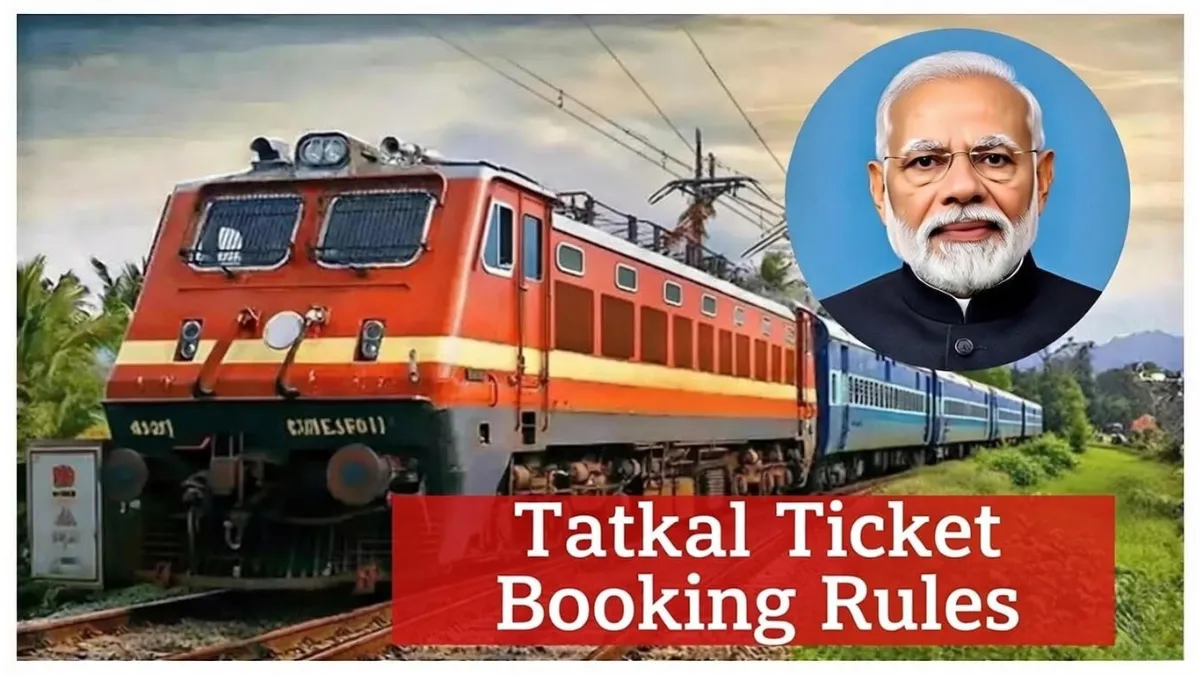
Indian Railways is preparing to implement major changes in Tatkal ticket booking rules, with the new system set to be rolled out on a pilot basis across 100 selected trains. The move is aimed at improving fairness, reducing misuse, and making last-minute ticket booking more transparent for genuine passengers who rely on Tatkal during urgent travel needs.
The updated rules are being introduced by Indian Railways as part of its broader push toward digital efficiency and passenger-friendly reforms.

Why Tatkal Rules Are Being Changed
Tatkal booking has long been criticized for heavy congestion, bot-driven bookings, and limited availability for genuine users. The pilot reform is intended to study passenger behavior, identify loopholes, and test new control measures before a nationwide rollout. By starting with 100 trains, Indian Railways aims to fine-tune the system without disrupting the broader network.
What Changes Passengers Can Expect
The revised Tatkal framework is expected to tighten booking controls, particularly during the opening minutes when demand is highest. Measures may include stronger authentication, improved system monitoring, and revised booking flow to ensure tickets reach real passengers instead of agents or automated tools. These changes are designed to make Tatkal booking more equitable and less stressful.

| Tatkal Rule Changes Pilot Overview | Details |
|---|---|
| Implementation Phase | Pilot rollout |
| Number of Trains | 100 selected trains |
| Ticket Category | Tatkal quota |
| Core Objective | Reduce misuse and improve fairness |
| Booking Mode | Online and counter-based systems |
Impact on Online and Counter Bookings
Both online and physical counter bookings are expected to be covered under the pilot changes. The goal is to ensure consistency across booking channels so that no single method is exploited. Passengers may notice additional verification steps or modified booking timelines once the rules are applied to selected trains.
How the Pilot Will Shape Nationwide Policy
The performance of these new Tatkal rules on the selected 100 trains will determine future expansion. Feedback, booking data, and passenger experience will play a key role in deciding whether the changes are implemented across all trains. Indian Railways is expected to make adjustments based on real-world outcomes before full-scale adoption.

What Passengers Should Do Now
Travelers planning Tatkal bookings should stay alert to official announcements and train-specific notifications. Understanding the revised process in advance can help avoid confusion once the pilot goes live, especially for frequent last-minute travelers.
Conclusion: The planned changes in Tatkal ticket booking rules mark an important step toward fairer and more transparent access. The 100-train pilot will play a crucial role in shaping how Tatkal bookings function across India in the future.

Disclaimer: This article is for general informational purposes only and is based on preliminary updates and policy intentions. Final rules, implementation timelines, and train lists may change. Passengers should rely on official Indian Railways notifications for confirmed and up-to-date information.