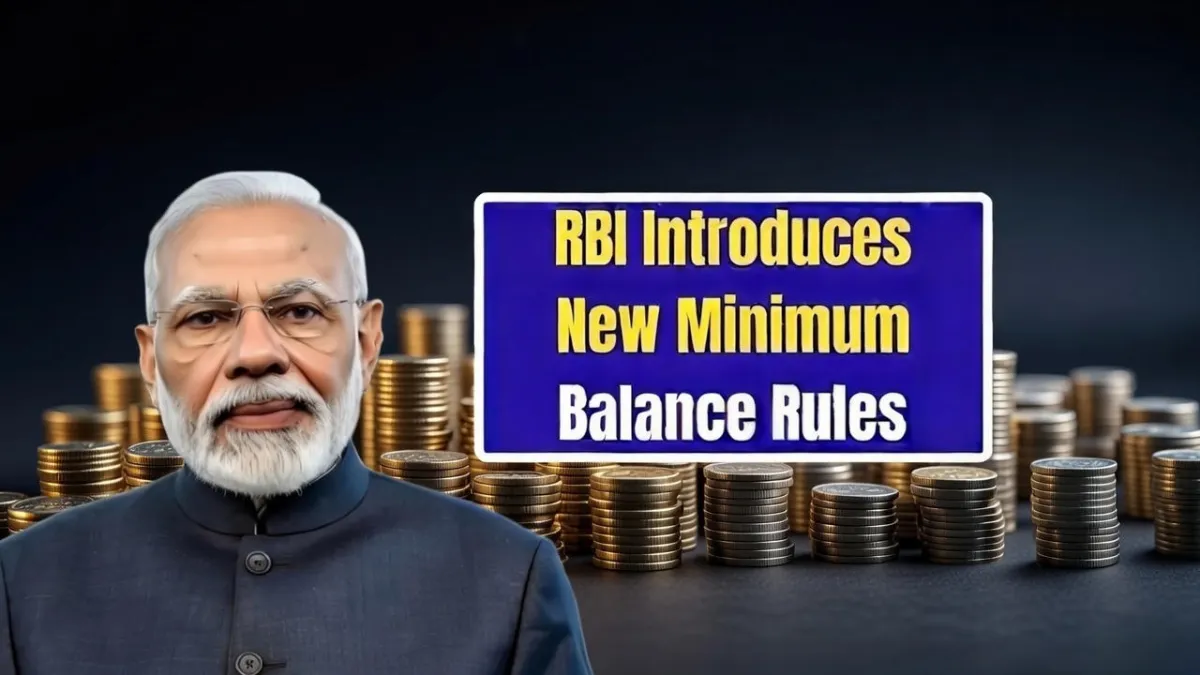
The Reserve Bank of India has introduced updated savings account rules for 2025 to improve transparency, protect customers, and standardise banking practices across institutions. These changes focus mainly on minimum balance requirements, penalty structures, and clearer communication from banks. For account holders, understanding these rules is important to avoid unnecessary charges and manage accounts more efficiently.
Minimum Balance Rules in 2025
Under the updated RBI guidelines, banks must clearly define and disclose minimum balance requirements for different types of savings accounts. These limits may vary depending on whether the account is urban, semi-urban, or rural. While RBI does not fix a single minimum balance for all banks, it requires banks to ensure that customers are informed in advance and that the requirements are reasonable and clearly communicated.

Penalty Charges for Non-Maintenance
RBI has emphasised that penalty charges for not maintaining the minimum balance should be proportionate and transparent. Banks must inform customers about penalty amounts at the time of account opening and through periodic communication. Excessive or hidden charges are discouraged, and customers should be able to easily access details of applicable penalties through bank websites or branch notices.
| RBI Savings Account Rules 2025 Overview | Details |
|---|---|
| Regulating Authority | Reserve Bank of India |
| Account Type | Savings Bank Account |
| Key Focus Areas | Minimum balance, penalties, transparency |
| Applicability | Public and private sector banks |
| Customer Protection | Mandatory disclosure of charges |
Zero Balance and Basic Savings Accounts
Basic Savings Bank Deposit Accounts continue to be protected under RBI rules, allowing customers to maintain zero balance without penalty. These accounts are aimed at financial inclusion and provide essential banking services. Banks are not allowed to impose minimum balance penalties on such accounts, ensuring continued access to basic financial facilities.

Improved Transparency and Customer Rights
The 2025 rules place strong emphasis on transparency. Banks are required to notify customers before making any changes to minimum balance limits or penalty structures. Regular updates through SMS, email, or official notices are encouraged so customers can take timely action and avoid charges.
Impact on Account Holders
For most customers, the new rules mean better clarity and fewer surprises related to charges. While minimum balance requirements may still vary by bank, the strengthened disclosure norms help account holders choose the right savings account and manage funds more confidently.

Conclusion: The new RBI savings account rules for 2025 aim to make banking more transparent by clearly defining minimum balance limits and penalty charges. For customers, staying informed about their bank’s requirements can help avoid unnecessary fees.
Disclaimer: This article is for general informational purposes only and summarises RBI’s broad regulatory direction. Actual minimum balance limits and penalties depend on individual bank policies. Customers should check official communications from their respective banks for exact and updated details.